Description
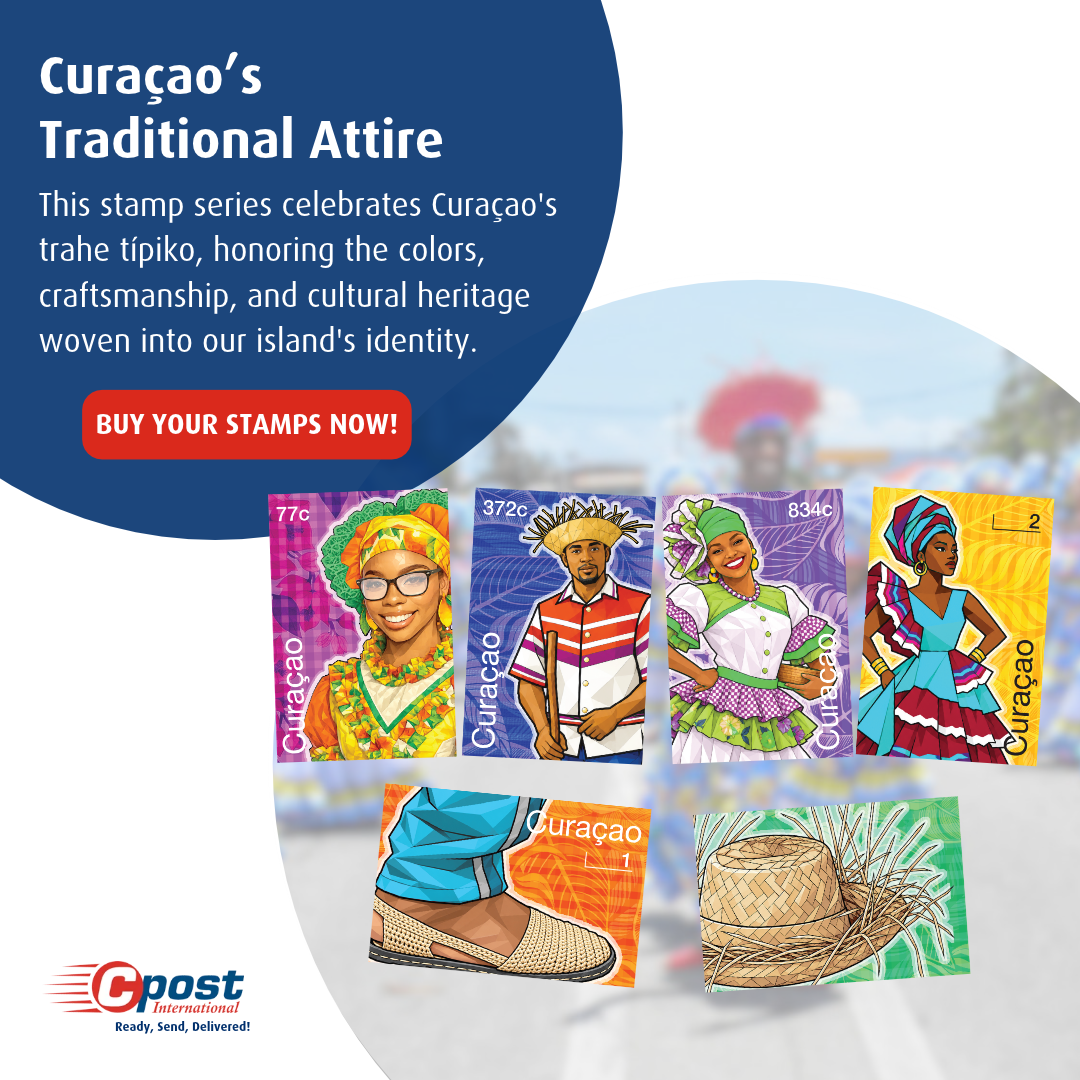
Curaçao’s traditional attire, known as trahe típiko, reflects the island’s rich cultural heritage—a distinctive fusion of African traditions and European influences,
thoughtfully adapted to Curaçao’s tropical climate and landscape.
The traditional attire worn by women is characterized by bright and vivid colors, including yellow, blue, green, and red, echoing the vibrant architecture and
colorful Caribbean surroundings. The ensemble typically features a full-length, wide cotton skirt, often layered with ruffles and gathers that create a graceful,
rhythmic movement during traditional folk dances such as Seú. The fitted bodice may be embellished with lace trimmings, puffed shoulders, or ruffled collars.
A distinctive element of the female attire is the head wrap, known in Papiamentu as the lensu. Made from a matching piece of fabric and traditionally tied
around the head, the lensu served both a practical and expressive purpose. Historically, the manner in which it was tied could communicate social status, mood,
or availability. It therefore functioned not only as protection from the intense Caribbean sun, but also as a subtle form of personal expression.
Traditional male attire was generally made from simple cream-colored sugar and flour sacks, reflecting the practical and resourceful nature of everyday life on
the island. For this philatelic representation, a more colorful interpretation of the male attire has been chosen. The traditional straw hat worn by men is a
broad-brimmed hat, traditionally hand-woven from dried palm straw, including date-palm fibers. Originally associated with plantation workers and fishermen, its
wide brim provided essential protection for the face and neck from Curaçao’s intense tropical sun. The hat features a tight and durable weave, a rounded crown,
and is sometimes finished with a simple fabric band around its base.
Traditional footwear, known as Chani or Sapatu di Hak, was worn by both men and women. These simple, handcrafted sandals were designed for durability and
practicality. Their soles were made from thick leather or sturdy repurposed materials, while the uppers consisted of braided cotton cord or woven string. Well
suited to Curaçao’s dry, rocky terrain and sharp limestone trails, these breathable sandals helped keep the feet cool while allowing the flexibility required for
agricultural work and traditional dancing.
The illustrations are composed of geometric shapes, symbolizing how different elements, even when moving in different directions, can come together to form
a unified whole. In this design, the separate shapes represent the diverse ethnicities, traditions, and customs that have come together to shape Curaçao’s unique
cultural identity. The solid backdrop has been given a textile-like appearance, complemented by a leaf-shaped stamp motif inspired by patterns traditionally
found in the fabrics used for Curaçao’s traditional attire. Together, these visual elements celebrate the island’s heritage, creativity, and enduring cultural traditions.


